

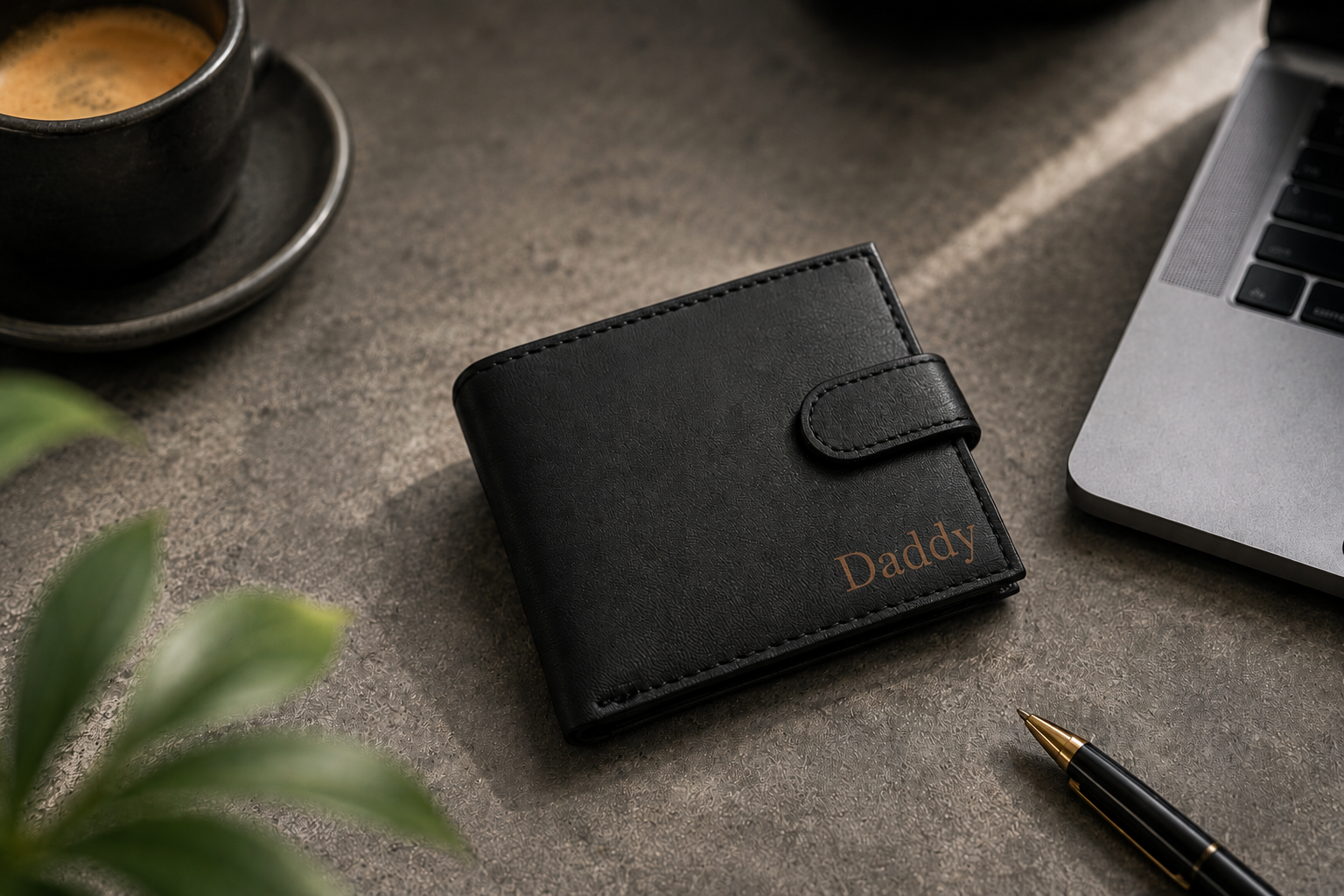
When shopping for a new wallet, you've probably come across the term RFID protection. Many modern wallets advertise RFID-blocking technology, while others are traditional leather wallets without it.
But what does RFID actually mean, and is it worth paying extra for?
In this guide, we'll compare RFID vs non-RFID wallets, explain how RFID technology works, discuss the benefits and limitations, and help you decide which type of wallet is best for your lifestyle.
What Is RFID?
RFID stands for Radio Frequency Identification.
It's a technology that allows small chips inside certain cards to communicate wirelessly with compatible readers using radio waves.
You'll commonly find RFID chips in:
- Contactless debit cards
- Contactless credit cards
- Some travel cards
- Certain building access cards
- Some identification cards
- Electronic passports
The technology allows information to be exchanged without inserting a card into a reader, making payments and access quicker and more convenient.
What Is an RFID Wallet?
An RFID wallet contains a special layer of shielding material built into its construction.
This layer is designed to reduce or block radio frequency signals reaching the contactless cards stored inside the wallet.
When the wallet is closed, this shielding may help prevent contactless cards from communicating with RFID readers until the cards are removed from the wallet.
Many premium leather wallets now include RFID protection without changing their appearance, thickness or everyday usability.
What Is a Non-RFID Wallet?
A non-RFID wallet is simply a traditional wallet without any built-in shielding layer.
It still stores your cards and cash in exactly the same way but does not include additional material intended to block radio frequency signals.
For many years, all wallets were made this way before RFID protection became a common feature.
Advantages of RFID Wallets
Added Peace of Mind
Many people choose RFID wallets because they like the reassurance of having an extra layer of protection for their contactless cards.
Whether travelling, commuting or visiting busy public places, RFID protection can provide additional confidence.
Ideal for Frequent Travellers
If you regularly travel through airports, railway stations or busy city centres, an RFID wallet can be a useful choice.
Many travellers appreciate having extra protection while carrying multiple contactless cards and passports.
No Change to Everyday Use
Modern RFID wallets generally look and feel just like traditional leather wallets.
You still access your cards normally, but they remain shielded while stored inside the wallet.
Advantages of Non-RFID Wallets
Classic Construction
Traditional wallets have been trusted for generations and continue to be a popular choice.
Many people simply prefer a wallet without additional internal layers.
Often Slightly Lower Cost
Because they don't include RFID-blocking materials, some non-RFID wallets can be slightly less expensive.
Same Premium Leather Quality
Whether or not a wallet includes RFID protection, the quality of the leather remains one of the biggest factors in durability and appearance.
A well-made genuine leather wallet can last for many years regardless of RFID protection.
Does Everyone Need RFID Protection?
Whether RFID protection is worthwhile depends on your personal preferences and how you use your wallet.
You may appreciate an RFID wallet if you:
- Carry several contactless payment cards.
- Travel frequently.
- Commute through busy public places.
- Like the reassurance of an extra protective feature.
A non-RFID wallet may suit you if you:
- Prefer a traditional wallet.
- Carry very few contactless cards.
- Want a classic leather wallet without additional features.
For many people, RFID protection is simply another useful feature alongside quality leather and good craftsmanship.
Does RFID Protection Affect Wallet Style?
Not at all.
Modern RFID wallets are available in a wide range of styles, including:
- Bifold wallets
- Slim wallets
- Card holders
- Travel wallets
- Personalised leather wallets
The RFID layer is built inside the wallet, so it doesn't noticeably affect the design or appearance.
Choosing Between RFID and Non-RFID
When comparing wallets, it's worth considering more than just RFID protection.
Also think about:
- Leather quality
- Number of card slots
- Wallet size
- Craftsmanship
- Stitching
- Personalisation options
- Overall durability
A premium full-grain leather wallet with excellent construction will often provide years of reliable everyday use.
Frequently Asked Questions
Is an RFID wallet worth buying?
Many people choose RFID wallets because they appreciate the added peace of mind of having built-in shielding for contactless cards. Whether it's worth it depends on your preferences and how you use your wallet.
Can I still use my contactless cards in an RFID wallet?
Yes. Simply remove the card from the wallet when making a payment. The RFID-blocking layer is designed to shield cards while they remain inside the wallet.
Do RFID wallets look different?
No. Modern RFID wallets are designed to look just like traditional leather wallets, with the protective layer hidden inside.
Final Thoughts
Both RFID and non-RFID wallets have their place, and the right choice depends on your personal preferences and daily routine.
If you value the additional reassurance of shielding for your contactless cards, an RFID wallet is a practical option that doesn't compromise on style or functionality.
If you prefer a more traditional design, a non-RFID wallet still offers timeless craftsmanship and everyday practicality.
Whichever you choose, investing in a high-quality genuine leather wallet ensures you'll enjoy lasting durability, elegant style and reliable everyday performance for years to come.

Share:
Why Teal Luggage is the Perfect Blend of Style, Visibility, and Practical Travel Performance